


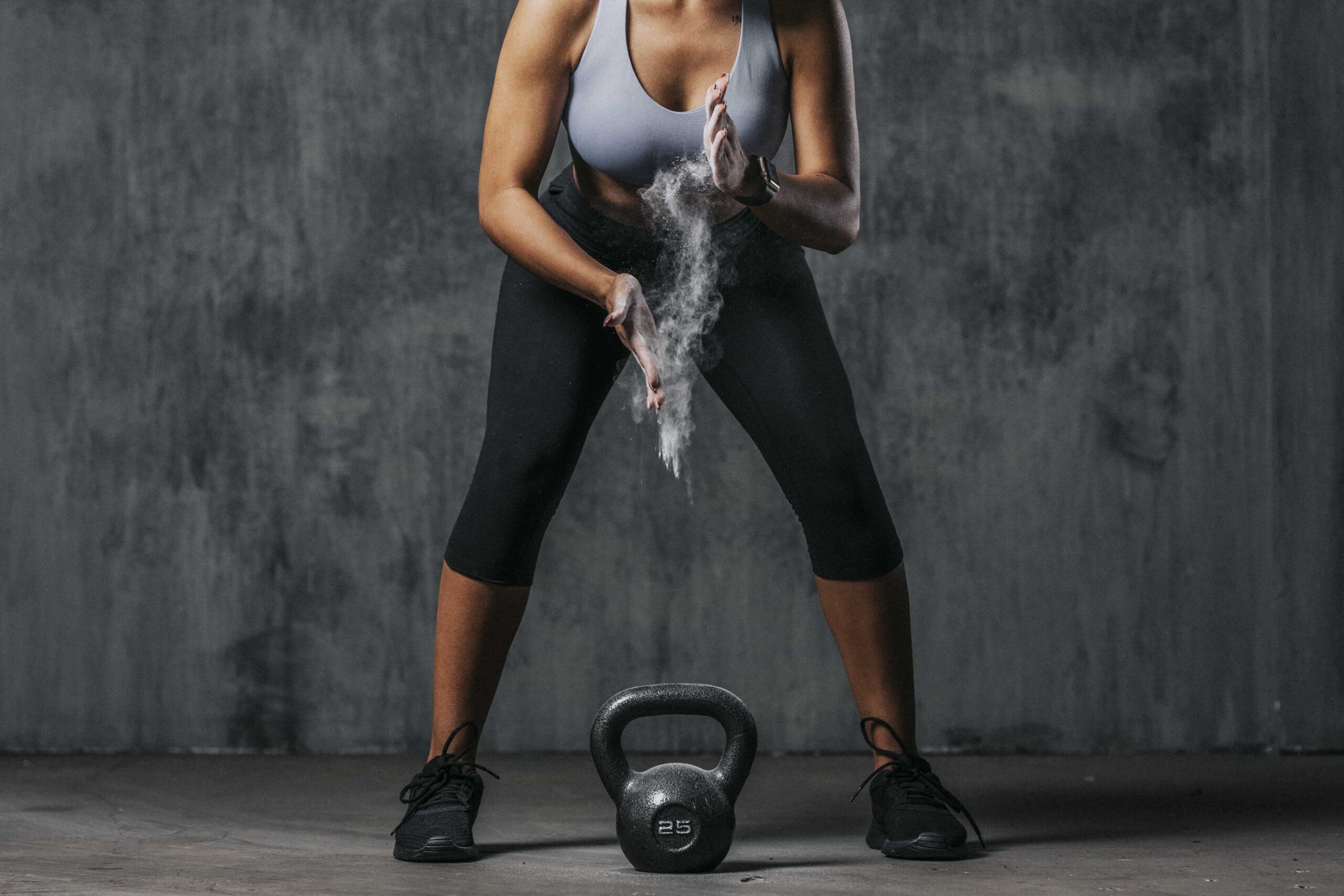
Kettlebells have become a popular piece of equipment in gyms and fitness studios all around the world and for good reason. Not only are they versatile but they’re also a great way to build strength, endurance, and overall fitness.
However, if you’re new to kettlebell training, it can be intimidating when deciding where to start. Whether you’re looking to build muscle, lose weight, or simply improve your fitness levels, a professional gym coach like Personal Trainer Mun can help you make the most of your kettlebell workouts and stay safe while doing so.
In this blog, we’ll provide some valuable tips and tricks for beginners who are interested in incorporating kettlebell training into their fitness routine. From selecting the right weight to mastering essential exercises, we’ll cover everything you need to know to get started with kettlebell training and achieve your fitness goals.
1. Choosing the Right Kettlebell Weight for Your Fitness Level
When it comes to kettlebell training for beginners, choosing the right kettlebell weight is crucial. If you’re just getting started with this type of training, it’s important to select a weight that is challenging but not too heavy. This allows you to avoid injury and make progress in your fitness journey.
As a general rule of thumb, women typically start with weights between 8 and 12 kg while men usually start with weights between 16 and 20 kg. However, the weight you choose will ultimately depend on your current fitness level and experience with weight training.
It’s always better to start with a lighter weight and work your way up gradually as you gain strength and confidence with the movements. Remember, it’s better to start small and progress steadily than to risk injury by choosing a weight that is too heavy.
2. Essential Kettlebell Exercises for Beginners: Proper Form and Technique

Proper form and technique are essential when performing kettlebell exercises, especially for beginners. Learning how to execute movements with correct form can help prevent injury and maximise the effectiveness of your workouts.
Some essential kettlebell exercises for beginners include the kettlebell swing, goblet squat, and Turkish get-up. When performing these exercises, make sure to focus on maintaining proper posture, engaging your core and using your hips to generate power.
Proper breathing techniques can also help improve your performance and prevent injury. It’s recommended that beginners work with a certified kettlebell trainer to learn proper form and technique before attempting exercises on their own.
Looking for motivation and guidance during your kettlebell training? Contact PT Mun now!
3. How to Warm Up and Cool Down Before and After Kettlebell Training
Warming up and cooling down are crucial parts of any workout routine, including kettlebell training. A proper warm-up helps prepare your body for exercise by gradually increasing your heart rate and blood flow to your muscles. Some effective warm-up exercises for kettlebell training include jogging in place, jumping jacks, and bodyweight squats.
Cooling down after your workout helps your body gradually return to its resting state, which can reduce muscle soreness and prevent injury. Stretching exercises, such as hamstring stretches and quad stretches, can help improve flexibility and reduce the risk of injury.
Remember to take the time to properly warm up and cool down before and after your kettlebell workouts to get the most out of your training and prevent injury.
4. Safety Precautions to Keep in Mind When Working Out with Kettlebells

Kettlebell training can be an effective and efficient way to improve your fitness but it’s important to keep safety in mind when incorporating this equipment into your workouts.
Some safety precautions when working out with kettlebells include starting with a weight that is appropriate for your fitness level, using proper form and technique to prevent injury, and not over-exerting yourself. It’s also important to make sure you have enough space to move around freely during your workout and to use a non-slip surface to prevent slipping or falling.
Remember to stay hydrated, take breaks as needed, and always listen to your body to avoid injury while training with kettlebells. Another effective precaution is to book your training sessions with a fitness expert, like PT Mun.
5. Creating a Beginner-friendly Kettlebell Workout Routine
A beginner-friendly kettlebell routine can help you stay motivated and make progress towards your fitness goals in a safe and efficient manner. When designing your routine, consider incorporating exercises that work multiple muscle groups and focus on proper form and technique.
Make sure to start with a weight that is appropriate for your fitness level and to gradually increase the weight as you gain strength and confidence. Choose the best kettlebell exercises for beginners and aim to perform 2–3 sets of 8–12 repetitions of each exercise in your routine.
Always make sure to warm up and cool down properly to prevent injury and improve your performance. Moreover, don’t forget to maintain a healthy diet throughout your fitness journey.
6. Tracking Progress and Setting Realistic Goals: Staying Motivated as a Beginner
As a beginner in kettlebell training, consider keeping a workout log to track your progress and make sure to set realistic and achievable goals for each workout.
Celebrate small victories and focus on incremental progress, rather than trying to achieve perfection right away. It’s also important to vary your workouts to prevent boredom and maintain your motivation.
You can consider incorporating new exercises and challenging yourself with higher weights or more repetitions over time. Remember to be patient with yourself and trust the process—progress takes time and consistency.